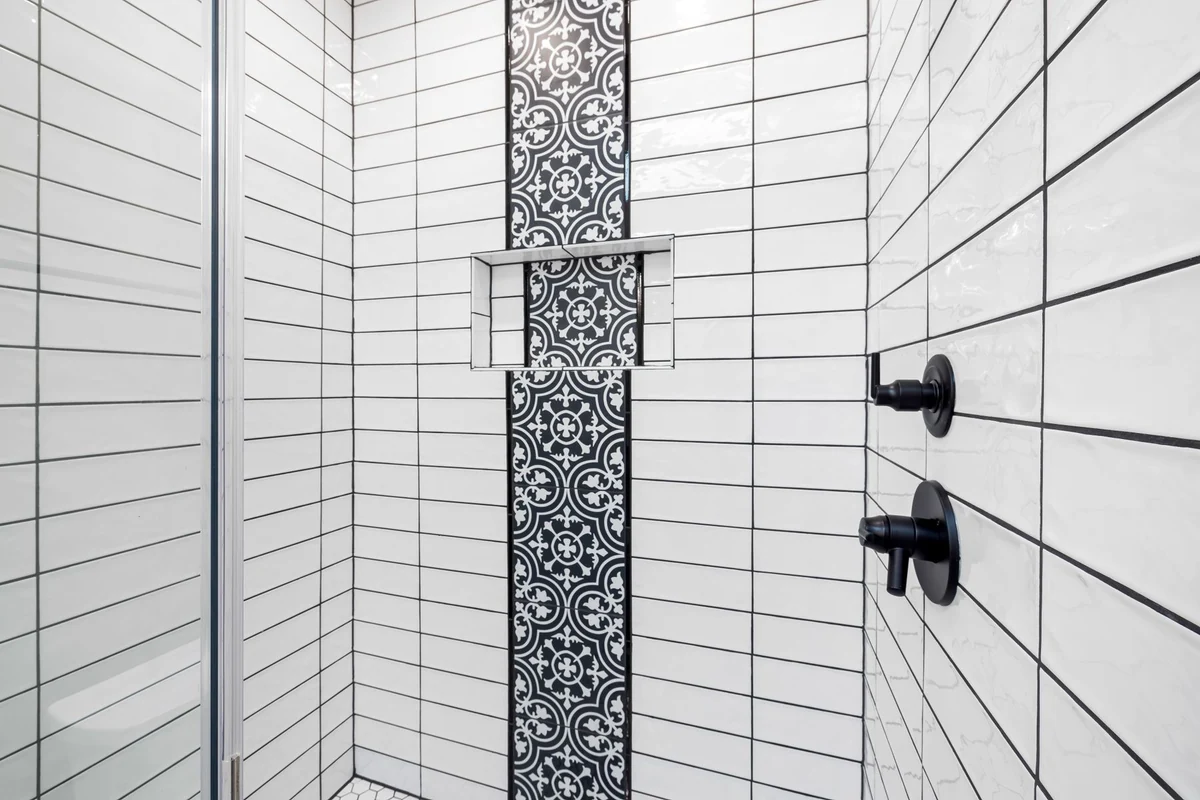
Bathroom tile remodels are one of the highest-ROI home improvement projects in the Los Angeles market, where real estate values and design expectations both run well above the national average. Whether you are renovating a 1960s Westside ranch home, updating a Craftsman bungalow in Pasadena, or refreshing a condo in downtown Los Angeles, the tile you choose and the quality of the installation will define how your bathroom looks and performs for the next 20-plus years. Getting it right means understanding both the technical requirements and the specific considerations that make LA bathroom remodels different from projects in other parts of the country.
This guide covers everything from permit requirements and seismic considerations to material selection, contractor pricing, and the design trends currently driving the Los Angeles bathroom remodel market.
Los Angeles Bathroom Remodel Permits: What Triggers a Permit
The Los Angeles Department of Building and Safety (LADBS) requires a permit for bathroom remodels that involve structural work, plumbing relocations, electrical changes, or changes to the waterproofing membrane. A straightforward tile replacement - removing old tile and re-tiling the same surfaces without moving drains or fixtures - generally does not require a permit in most LA jurisdictions. However, if your remodel includes any of the following, you will need to pull permits:
- Relocating or adding plumbing fixtures (new drain locations, shower pans, tub placements)
- Adding or modifying electrical circuits (GFCI outlets, new lighting, heated floors)
- Structural modifications (removing walls, changing window openings)
- Converting a tub to a walk-in shower
- Any work in older homes (pre-1978) that may involve asbestos-containing materials in existing tile adhesive
For permitted work, LADBS requires an inspection of the rough plumbing and waterproofing before tile installation begins - and a final inspection of the completed work. Working without required permits in LA creates real problems at resale: title companies increasingly flag unpermitted bathroom work during escrow, and the cost of retroactive permitting (including opening walls for inspection) typically far exceeds the original permit fee.
Key fact: Los Angeles has over 90 incorporated cities, and permit requirements vary between the City of LA (LADBS jurisdiction), unincorporated Los Angeles County, and independent cities like Beverly Hills, Culver City, and Burbank. Always verify permit requirements with the specific jurisdiction where the project is located before starting work.
Seismic Considerations for LA Bathroom Tile
Los Angeles sits in one of the most seismically active regions in the United States. The 1994 Northridge earthquake (6.7 magnitude) caused widespread tile damage in residential bathrooms across the San Fernando Valley and Westside - primarily due to inadequate waterproofing membranes that failed under seismic movement, and tile bonded to green board (a product no longer approved for wet areas).
Modern LA bathroom tile specifications should include:
- Uncoupling membrane (Schluter KERDI or Wedi board) as the waterproofing and crack-isolation layer under floor tile - these membranes allow minor movement between the substrate and tile assembly without transmitting stress to the tile bond
- Large-and-heavy mortar (ANSI A118.15) for wall and floor tile installations in earthquake country - the higher polymer content provides greater flexibility than standard thin-set
- Movement accommodation joints (silicone-filled) at all changes of plane (floor to wall, wall to wall corners) and at regular intervals on large wall tile installations - never fill these joints with grout
- Avoid natural stone on shower walls where seismic performance is a concern - heavy stone tiles (marble, travertine, limestone) transfer more seismic load to the bond and substrate than lighter porcelain or ceramic. If stone is used, polymer-modified mortar and proper coverage are non-negotiable.
Material Selection for Los Angeles Bathrooms
The Los Angeles bathroom tile market runs the full spectrum from practical ceramic to ultra-premium marble, driven by the region's wide range of home values and design cultures. Here is a practical breakdown of the most common material choices:
Porcelain - The Practical Workhorse
Porcelain tile dominates the LA bathroom remodel market for good reason. Water absorption below 0.5% makes it impervious to the moisture-rich shower environment. It is available in virtually any size, finish, and design aesthetic - including highly realistic marble-look and wood-look formats that are indistinguishable from the real thing at a fraction of the cost and maintenance burden. Large-format porcelain (24x48, 32x32) is currently the dominant choice in mid-to-high-end LA bathroom remodels.
Natural Stone - The Premium Choice
Marble, travertine, and limestone remain highly popular in LA's luxury market - particularly in the hillside communities, Bel Air, Pacific Palisades, and Beverly Hills. Natural stone adds genuine value and a warmth that digital porcelain cannot fully replicate. The tradeoffs are real: natural stone requires annual sealing, is susceptible to etching from acidic cleaners and personal care products, and as noted above, adds complexity to seismic detailing. If budget allows, Calacatta marble or White Carrara for shower walls with a matching porcelain floor tile (eliminating the weight and sealing requirements of stone floors) is a popular and practical combination in the LA market.
Zellige and Handmade Tile
Hand-formed Moroccan zellige tile and similar artisan ceramics have surged in popularity in Los Angeles over the past five years, driven by the region's strong interest in Mediterranean and bohemian aesthetics. These tiles are beautiful but require experienced installers - their intentional variation in thickness means that standard lippage tolerances do not apply, and the setting technique must accommodate irregular back surfaces. Expect material costs of $18-40 per square foot and higher installation labor than standard tile.
Pro tip: In Los Angeles bathrooms, specify rectified tile (precision-cut to consistent dimensions) wherever possible. LA's older housing stock often has out-of-plumb walls and uneven substrates, and rectified tile with tight grout joints (1/16 to 1/8 inch) creates the clean, contemporary look that drives LA design while allowing installers to work more efficiently.
Shower Waterproofing: The Most Important Decision in Any LA Bathroom Remodel
Waterproofing failure is the number one cause of costly bathroom water damage in Los Angeles, and given the region's housing age (much of the Westside, Valley, and South Bay housing stock dates to the 1950s-1970s), it is a risk that must be taken seriously. The standard has changed dramatically from the tar paper and hot-mop pans of previous decades.
Current industry-standard waterproofing options for LA bathroom remodels include:
- Schluter KERDI membrane: A fabric-reinforced polyethylene sheet bonded to the substrate with unmodified thin-set. KERDI-BOARD is the corresponding substrate board for niche and bench construction. This is the most widely specified system in LA and carries excellent installer familiarity.
- Wedi board: An extruded polystyrene foam board with an integrated fiberglass-reinforced coating - the entire board is waterproof. Excellent for complex shower geometries and is lighter than cement backer board.
- RedGard applied membrane: A brush or roller-applied liquid membrane by Custom Building Products. Requires multiple coats (typically 30-40 mil dry film thickness), proper cure time between coats, and careful application at transitions and corners. Lower material cost but higher labor sensitivity than sheet membranes.
All three systems are acceptable under ANSI A108 and the TCNA Handbook. The best choice depends on the specific shower geometry and the installer's experience level - a properly installed RedGard application is better than a carelessly installed KERDI system, and vice versa.
LA Bathroom Tile Costs in 2026
Los Angeles contractor labor is among the highest in the nation. Current bathroom tile installation pricing in the LA market runs:
- Floor tile installation: $12-20 per square foot labor only (standard residential)
- Shower wall tile: $15-25 per square foot labor only
- Full shower waterproofing + tile (labor only): $2,500-6,000 for a standard 3x5 shower
- Complete bathroom tile package (floor + walls + shower, labor + mid-range materials): $8,000-18,000 for a master bath, $4,000-8,000 for a secondary bath
- High-end remodel (marble, large format, complex design): $20,000-50,000+ for a master bath
Material costs vary enormously: basic domestic porcelain runs $2-5 per square foot, mid-range imported porcelain $5-12, luxury large-format and natural stone $15-40 or more. LA homeowners should budget materials separately from labor and verify that the contractor's quote includes all setting materials (thin-set, membrane, grout, silicone) as these are often bid as allowances.
Finding a Qualified Tile Contractor in Los Angeles
Los Angeles has hundreds of tile contractors, but finding one with the certifications and experience for a quality bathroom remodel requires some research. Look for:
- California C-54 Tile Contractor license - required for all tile work in California. Verify at the CSLB (Contractors State License Board) website.
- CTI (Certified Tile Installer) or NTCA Five-Star designation - optional but indicates formal training and quality commitment
- References with photos from comparable LA bathroom remodels - specifically shower waterproofing and large-format tile installations
- Written scope of work that specifies the waterproofing system, thin-set products, grout type, and warranty terms
A bathroom tile remodel in Los Angeles is one of the best investments you can make in your home. The key is approaching it with the same rigor you would apply to any significant investment - clear specifications, qualified contractors, proper permits where required, and materials matched to the actual performance demands of the space. Done right, a tiled bathroom in an LA home can look as good in 30 years as it does on installation day.