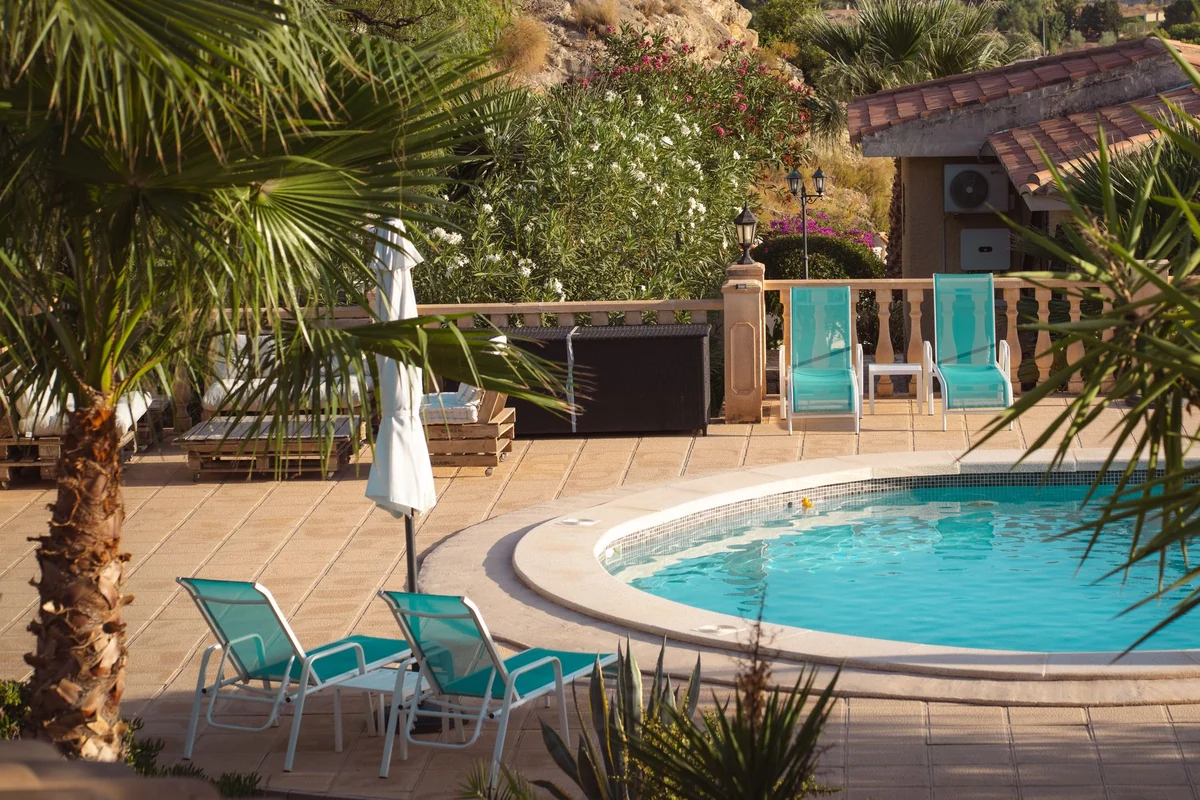
Los Angeles outdoor living spaces are among the most heavily used in the country: the region's 285+ annual sunshine days and mild year-round temperatures mean your patio, pool deck, and driveway are active spaces for 10 to 12 months of the year. Outdoor tile for Los Angeles patios, pool decks, and driveways must deliver beautiful aesthetics, reliable durability against UV, seismic movement, heat cycles, and coastal salt air (in applicable neighborhoods), and appropriate slip resistance for safety. This guide gives LA homeowners the complete picture of material selection, technical specifications, and cost planning for outdoor tile projects in 2026.
Los Angeles's diverse geography creates meaningfully different outdoor tile requirements by neighborhood. A Malibu cliffside property facing salt-laden Pacific air has different needs than a San Fernando Valley backyard experiencing 110°F summer heat, which differs again from a mid-city Silver Lake patio navigating seismic movement. Understanding which environmental factors apply to your specific location is the starting point for smart material selection.
Los Angeles Outdoor Tile Environmental Factors by Zone
Coastal LA (Malibu, Santa Monica, Venice, Manhattan Beach, Palos Verdes)
Salt air is the primary additional stressor within 2 miles of the coast. Requirements beyond standard outdoor specification:
- Through-body porcelain with ≤0.5% water absorption: natural stone absorbs salt and deteriorates faster at the coast
- Epoxy grout or highly polymer-modified cement grout: salt air degrades standard cement grout within 3–5 years
- Stainless steel or plastic trim and hardware: galvanized and zinc coatings corrode rapidly in marine environments
- More frequent grout sealing inspection
Hot Inland LA (San Fernando Valley, Pasadena, Pomona Valley)
Thermal cycling is the primary challenge, summer surface temperatures can reach 140–160°F on dark tile in direct sun, while nights cool to 50–60°F. Key requirements:
- Movement joints spaced no more than 8 feet in each direction: essential for thermal cycling accommodation
- Light-colored tile preferred for surface heat management and barefoot comfort
- Uncoupling membranes on concrete slabs: differential thermal movement between substrate and tile
- High SRI (Solar Reflectance Index) tile preferred for outdoor living comfort
Seismic Considerations (All LA)
The Los Angeles Basin overlies numerous active fault systems, the San Andreas, Whittier, Newport-Inglewood, and many others. Seismic movement accommodation is non-negotiable for all LA outdoor tile:
- Uncoupling membranes on all tile floors over concrete slabs
- Movement joints at all control joints in substrate slab, at building footings, and in a grid pattern at 8-10 foot intervals
- Flexible silicone or polyurethane in all movement joints, never grout
Best Tile Materials for LA Outdoor Applications
Premium Recommendation: Through-Body Porcelain
For virtually all LA outdoor applications, through-body porcelain with a textured outdoor-rated surface is the top-performing material choice. Advantages in LA's environment:
- Water absorption ≤0.5%: freeze-thaw resistant (relevant in mountain-adjacent communities), salt-resistant at the coast
- Dense, hard body resists thermal cycling cracking
- UV-stable color: won't bleach or fade under LA's intense sun
- Wide availability in DCOF-rated outdoor finishes
- Available in stone, concrete, wood, and designer looks for aesthetic flexibility
Natural Stone: Beautiful with Conditions
Natural travertine, limestone, and quartzite deliver aesthetics that no porcelain can fully replicate and remain popular in premium LA outdoor installations. Realistic conditions for LA use:
- Travertine patio in inland LA: Good choice if properly sealed annually; avoid within 2 miles of coast
- Limestone pool deck: Workable with penetrating sealer and pH-neutral pool chemistry maintenance; at risk of etching from improperly maintained pool water
- Quartzite: Most durable natural stone option; performs well in most LA outdoor applications with annual sealing
- Marble outdoors in LA: Not recommended, etches and stains easily in outdoor conditions
Key fact: The California Pool and Spa Association (CPSA) reports that pool deck renovations in Los Angeles County average $18,000–$45,000 in 2026, with premium tile pool decks at the high end of that range. Pool deck tile is one of the outdoor tile categories where quality specification pays back most directly: a failed pool deck installation requiring complete replacement within 5–7 years costs as much as a quality installation done correctly the first time.
LA Pool Deck Tile: Specifications and Top Choices
Pool decks combine constant water exposure, UV, foot traffic, pool chemicals, and LA's seismic and thermal cycling stresses in a single demanding application. Essential specifications for LA pool decks:
Required Technical Specs
- DCOF ≥0.60 recommended (≥0.42 minimum per ANSI A137.1) for wet pool deck surfaces
- Water absorption ≤0.5%: through-body porcelain or pool-rated vitrified tile only
- Light color preferred: Surface temperatures on dark tile in direct LA summer sun can exceed 150°F, dangerously hot for bare feet. Light cream, gray, and travertine look tiles are the responsible choice for LA pool decks.
- Chemical resistance: Pool chlorine, pH adjusters, and algaecides; porcelain performs well; natural limestone is vulnerable to pH imbalances
Top Products for LA Pool Decks
Large-format cream/warm gray porcelain pavers (24"x24"): The dominant specification in LA's premium pool renovation market. Products from Dal-Tile's Vibe series, MSI's Summerside series, and Arizona Tile's Sante Fe collection are regularly specified by LA pool contractors for their combination of aesthetics, performance, and CA-market availability.
Travertine-look porcelain: Delivers the warm Mediterranean aesthetic sought in Spanish Colonial and Mediterranean-style LA properties without travertine's maintenance demands in pool environments. Becomes the leading specification in Bel Air, Holmby Hills, and Pacific Palisades premium pool deck projects.
LA Patio Tile: Design and Specification
Los Angeles patio design is outdoor design: these spaces are fully furnished living areas, not occasional-use decks. The design expectations are high, and tile quality is evaluated at the same standard as interior finishes.
Popular LA Patio Styles in 2026
Modern minimal: Large format 24"x48" or 24"x24" porcelain in warm gray, concrete, or limestone look with minimal grout lines. Clean, contemporary, and appropriate to the vast amount of modern architecture in LA's premium residential market.
Spanish/Mediterranean: Terracotta and Saltillo-look porcelain, handmade tile accents, and patterned cement tile elements are deeply woven into LA's architectural DNA from Hancock Park to San Marino. In 2026, the most sophisticated execution of this aesthetic uses high-quality porcelain equivalents for primary surfaces with authentic handmade accents at table areas, steps, or water features.
Organic modern: Natural stone (quartzite, slate, or weathered limestone) in irregular formats, combined with native planting and natural wood elements. Popular in Los Feliz, Silver Lake, and Santa Monica's design-conscious hillside communities.
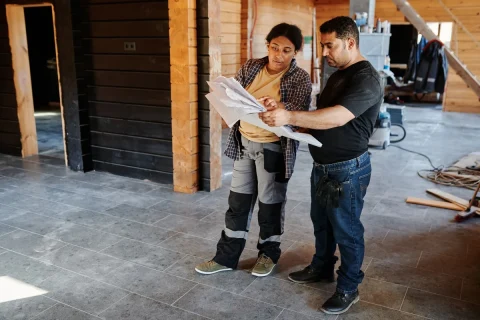
Pro tip: In Los Angeles, the difference between a DIY patio tile job and a professional installation is most clearly visible in pattern layout planning and cutting accuracy. The investment in professional installation, particularly for large format tile where a single misaligned cut is immediately obvious, typically represents 15–25% of total project cost but accounts for 60–70% of the final visual quality. Cheap the labor; you'll cheap the result.
LA Driveway Tile: The Premium Curb Appeal Statement
Tiled driveways are increasingly specified in LA's premium real estate markets (Bel Air, Beverly Hills, Hancock Park, Los Feliz) where curb appeal is directly monetized in property values. Requirements are stringent:
- 20mm minimum tile thickness for vehicle traffic: standard 10mm residential tile will crack
- Reinforced concrete substrate: 6" minimum with rebar; most existing residential driveways require structural assessment before tile overlay
- Permeable joint specification: LA's updated stormwater management requirements in many neighborhoods require permeable hardscape; permeable joint grout or gap-set driveway tile may be specified to meet municipal requirements
- PEI V rating: Required for vehicular traffic
Cost Summary: LA Outdoor Tile 2026
- Standard patio (porcelain, 300–500 sq ft): $12,000–$25,000
- Premium patio (large format or stone): $20,000–$45,000
- Pool deck (500–800 sq ft): $20,000–$45,000
- Driveway tile (vehicular-rated): $35,000–$75,000+ (includes structural assessment and substrate work)
Summary: LA Outdoor Tile Done Right
Outdoor tile in Los Angeles must be specified for the specific combination of stressors in your neighborhood: coastal salt air, inland heat cycling, seismic movement, and LA's year-round outdoor use intensity. Through-body porcelain is the baseline recommendation for durability and low maintenance; natural stone offers premium aesthetics where maintenance investment is acceptable. Proper technical specification (uncoupling membranes, movement joints, outdoor-rated thin-set, DCOF-compliant slip resistance) is non-negotiable for long-term performance. And quality professional installation by CSLB-licensed contractors with demonstrated LA outdoor tile experience is the single most important factor in ensuring your investment delivers the beautiful, durable outdoor space LA living demands.