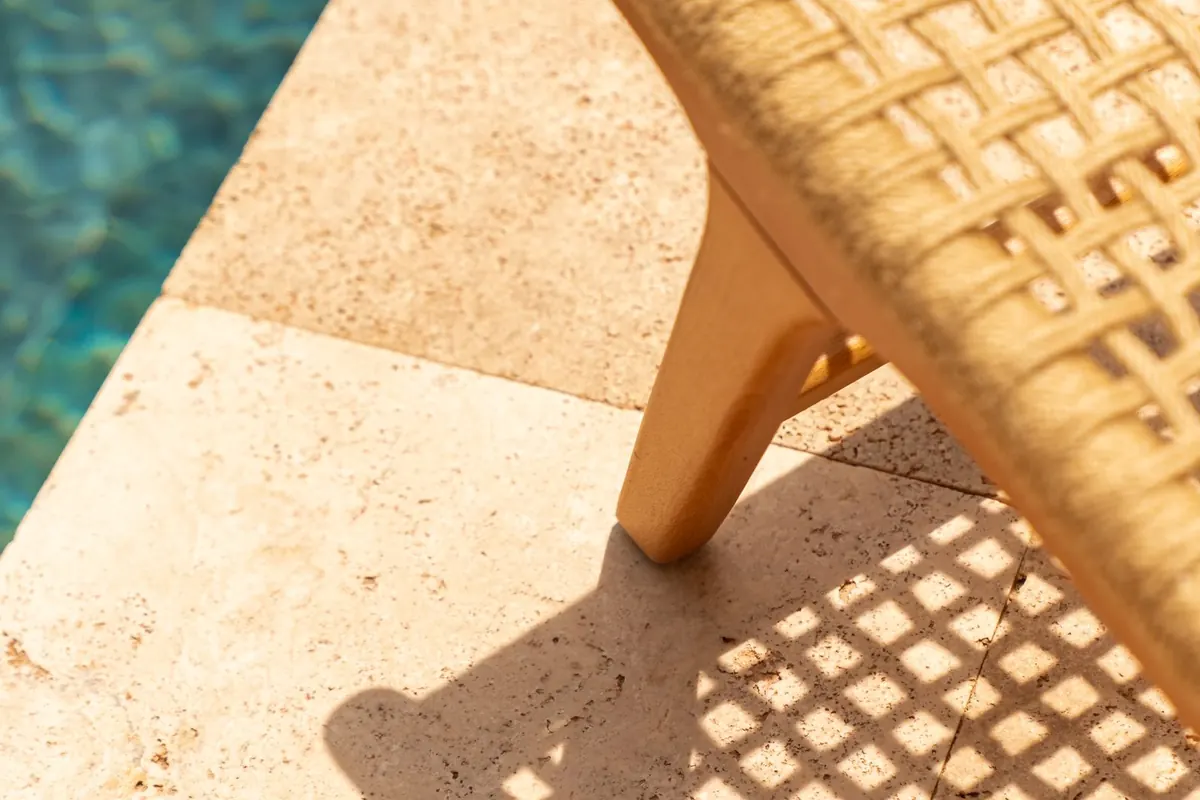
What Makes Travertine Special
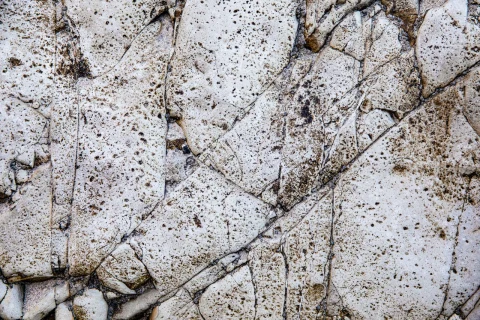
Travertine is a form of limestone deposited by mineral-rich hot springs and geothermal waters. Over thousands of years, dissolved calcium carbonate precipitates out of the water, layer by layer, creating a stone with a unique character defined by warm earth tones and distinctive natural pitting.
No material feels more at home in Southern California than travertine. Its warm, sun-kissed palette, ranging from creamy ivory and golden beige to rich walnut and rust, complements our Mediterranean and Spanish Colonial architecture as if it were made for it.
Characteristics of Travertine
Natural Pitting
Travertine's most distinctive feature is its natural surface holes and pits, created by gas bubbles trapped in the stone as it formed. These can be:
- Filled: The holes are filled with epoxy, resin, or cement during processing, creating a smoother surface. This is the most common treatment for indoor tile.
- Unfilled: The holes are left open, preserving the stone's most natural, rustic appearance. Popular for outdoor pavers and old-world aesthetics.
Color Palette
Travertine's warm tones are created by iron compounds and other minerals present during formation:
- Ivory/Classic: Creamy white with warm undertones, the most popular and versatile color
- Noce (Walnut): Rich chocolate brown, dramatic and warm
- Gold: Warm yellow-gold tones
- Silver: Cool gray tones, less common, more contemporary
- Red: Warm rust and terra cotta tones
Available Finishes
- Polished: High shine that deepens color but increases slip risk
- Honed: Smooth matte finish, the most popular for interior floors
- Tumbled: Rounded edges and aged surface, classic old-world look
- Brushed: Slightly textured with a soft sheen
- Chiseled edge: Rough, natural-looking edges for a rustic appearance
Best Applications
Outdoor Living Spaces
Travertine pavers are perhaps the most popular natural stone choice for Southern California outdoor living. They're used extensively for:
- Pool decks: Travertine stays cooler underfoot than concrete or many other stones, making it comfortable around pools even in summer heat
- Patios and courtyards: The warm tones create inviting outdoor rooms
- Walkways: Durable enough for foot traffic with proper installation
Interior Floors
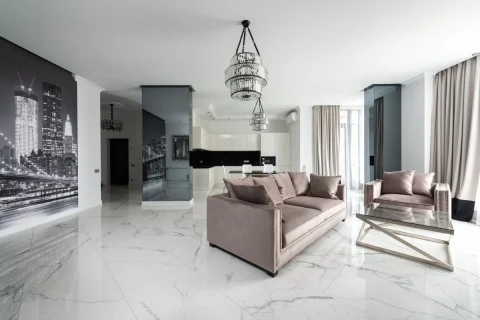
Honed and filled travertine creates elegant, warm interior floors that are perfect for living rooms, hallways, and entryways in homes with Mediterranean, transitional, or traditional design.
Bathroom Walls and Floors
Travertine is a classic choice for bathroom walls and surrounds. The warm tones create spa-like environments that feel luxurious and inviting.
Kitchen Floors
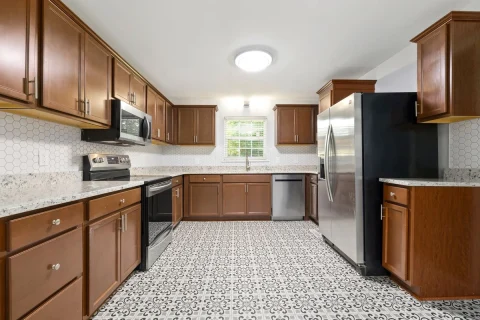
Travertine works in kitchens with careful sealing and maintenance. The filled, honed finish provides good slip resistance and a clean surface.
Maintenance Requirements
Sealing
Travertine is porous and must be sealed to protect against staining. Apply a quality impregnating sealer:
- Initial application: Before grouting and after installation
- Maintenance: Reapply every 1-2 years for interior floors, annually for outdoor installations
Cleaning
- Use pH-neutral stone cleaners only
- Never use acidic cleaners (vinegar, citrus-based products, bathroom cleaners with acid)
- Avoid abrasive scrubbing pads
- Blot spills immediately rather than wiping (which can spread the stain)
Acid Sensitivity
Like marble, travertine is calcium carbonate-based and reacts with acids. Lemon juice, vinegar, wine, and acidic cleaning products will etch the surface. This is the single biggest maintenance consideration.
Cost Guide
- Travertine tile: $3–$15/sq ft depending on grade, finish, and size
- Travertine pavers (outdoor): $4–$12/sq ft
- Installation: $8–$18/sq ft in Los Angeles
- Annual sealing: $1–$2/sq ft (DIY) or $3–$5/sq ft (professional)
Travertine vs Porcelain Look-Alikes
Modern porcelain tiles can convincingly replicate travertine's appearance with none of the maintenance demands. Here's when each makes sense:
Choose real travertine when:
- Authenticity matters: you want genuine natural stone
- Outdoor pool decks (travertine stays cooler)
- You appreciate the stone developing character over time
- Traditional or Mediterranean design is your goal
Choose porcelain travertine-look when:
- Low maintenance is the priority
- Budget is a primary concern
- Indoor floors with heavy traffic or kitchen use
- You want a consistent, uniform appearance
Travertine in Southern California
Travertine is practically the signature stone of Southern California residential design. Drive through any established neighborhood in LA's Brentwood, Pacific Palisades, or Palos Verdes, and you'll see travertine everywhere: patios, pool decks, entryways, and interior floors.
At Tile Los Angeles, we've installed thousands of square feet of travertine across Los Angeles. We understand the specific substrate preparation, setting materials, and finishing techniques that ensure a beautiful, long-lasting travertine installation.
The Bottom Line
Travertine tile offers a warmth and natural beauty that perfectly suits Southern California's lifestyle and architecture. It requires more maintenance than porcelain but rewards that care with a genuine, evolving beauty that manufactured materials can't fully replicate.
If you're considering travertine for your home or outdoor space, contact Tile Los Angeles for expert installation and honest guidance on making the most of this beautiful natural stone.